

Most people think selling a home is a slow process.
List it. Wait a few weeks. See what happens.
In reality, the opposite is true.
The first 7 days on the market will determine almost everything—how much a home sells for, how many offers it gets, and how much leverage either side has in the negotiation.
After that first week, the outcome is usually already set in motion.

From The Seller’s Side: You Don’t Get a Second First Impression
When a home hits the market, it doesn’t just get “listed.” It gets introduced—to every serious buyer, agent, and algorithm at the same time.
That first week is when:
- Your listing is pushed to the top of every search
- Buyers who’ve been waiting months finally see something new
- Agents rush to show it before someone else grabs it
This is your moment of maximum exposure.
And it’s fleeting.
If the home is positioned correctly—priced strategically, marketed intentionally, and presented at a high level—you create something every seller wants:
👉 Competition
Multiple showings turn into multiple offers.
Multiple offers turn into leverage.
Leverage turns into stronger terms, cleaner contingencies, and higher prices.
But if that same home misses the mark?
The silence is immediate.
Showings slow. Buyers hesitate. And instead of competing, they start asking: “What’s wrong with it?”
What Sellers Often Get Wrong
The biggest mistake isn’t overpricing.
It’s under-strategizing.
- Listing before the home is fully prepared
- Weak photos or no real marketing push
- Pricing based on hope instead of positioning
- No coordinated launch plan
When that happens, the listing doesn’t just sit…
It ages.
And once a home feels “stale,” the dynamic flips:
- Buyers feel less urgency
- Offers come in lower
- Negotiations become defensive instead of strategic
At that point, you’re not creating demand—you’re chasing it.
The Truth Most Agents Won’t Say
You can’t “test the market” without consequences.
Because the market is testing you the moment you go live.
And if the first week doesn’t land the right way, you don’t get that same level of attention again.
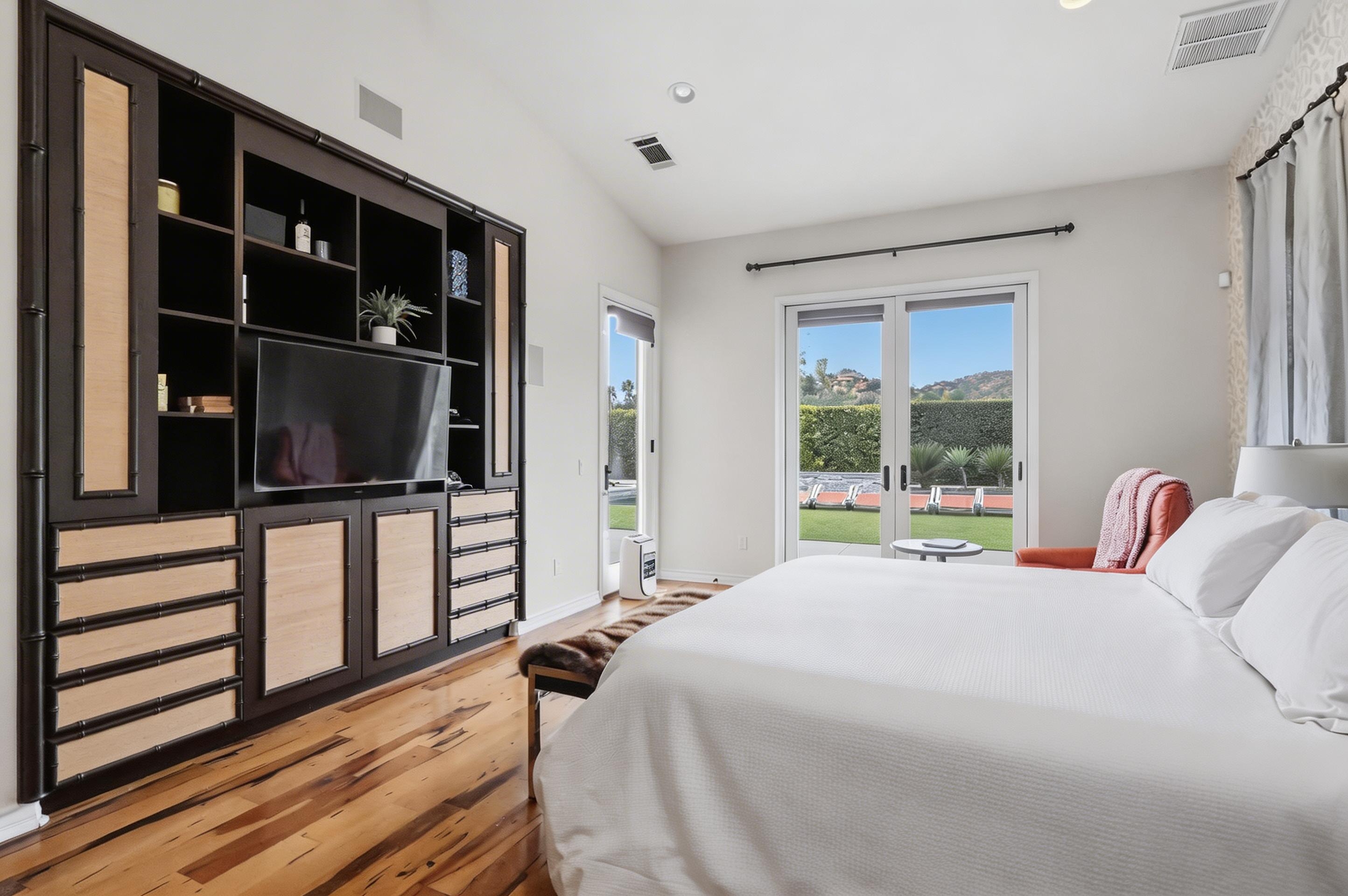
From The Buyer’s Side: The Best Opportunities Don’t Wait
Buyers often assume time is on their side.
“If it’s meant to be, it’ll still be there.”
But in reality, the most desirable homes—the well-priced, well-positioned ones—don’t linger.
They move fast.
Because those same signals sellers are trying to create? Buyers feel them too.
When a home is:
- Priced correctly
- Well-presented
- Getting attention
It creates something powerful:
👉 Perceived value
And when buyers sense value, hesitation disappears.
Why the First Week Matters So Much for Buyers
The first 7 days are when:
- The strongest listings hit the market
- The most motivated buyers are paying attention
- The competition is most active
This is when the best homes:
- Receive multiple offers
- Go pending quickly
- Sell with minimal negotiation
By the time a property has been sitting for 2–3 weeks, one of two things is usually true:
- It was overpriced or poorly positioned
- There’s a reason buyers passed on it
That doesn’t mean opportunities don’t exist later—but they’re different.
They’re no longer about acting quickly.
They’re about figuring out what was missed.
The Buyer Advantage (If You Know Where to Look)
Here’s the part most people overlook:
Not every opportunity is in the first week.
But the best positioned homes are.
That’s why serious buyers don’t just browse—they prepare.
- They understand pricing strategy
- They recognize when demand is building
- They move decisively when the right home appears
Because waiting for a “better deal” on the wrong home often costs more than competing for the right one early.

The Bottom Line
Whether you’re buying or selling, the first 7 days aren’t just important—
They’re defining.
For sellers, it’s your one chance to:
- Capture attention
- Create urgency
- Maximize your outcome
For buyers, it’s your window to:
- Access the best inventory
- Compete intelligently
- Secure the right property before it’s gone
A Different Way to Approach the Market
Most people focus on price.
But the real advantage comes from understanding timing and positioning.
That’s where deals are made—or missed.
If you’re thinking about making a move…
I’ve been putting together custom breakdowns showing:
- Which homes are likely to move quickly (and why)
- Which listings are vulnerable to negotiation
- How to position yourself—whether buying or selling—to come out ahead
No pressure. Just clarity.


Join The Discussion